
John Paul Padilla
Author
Songwriter
Content Creator
Advocate
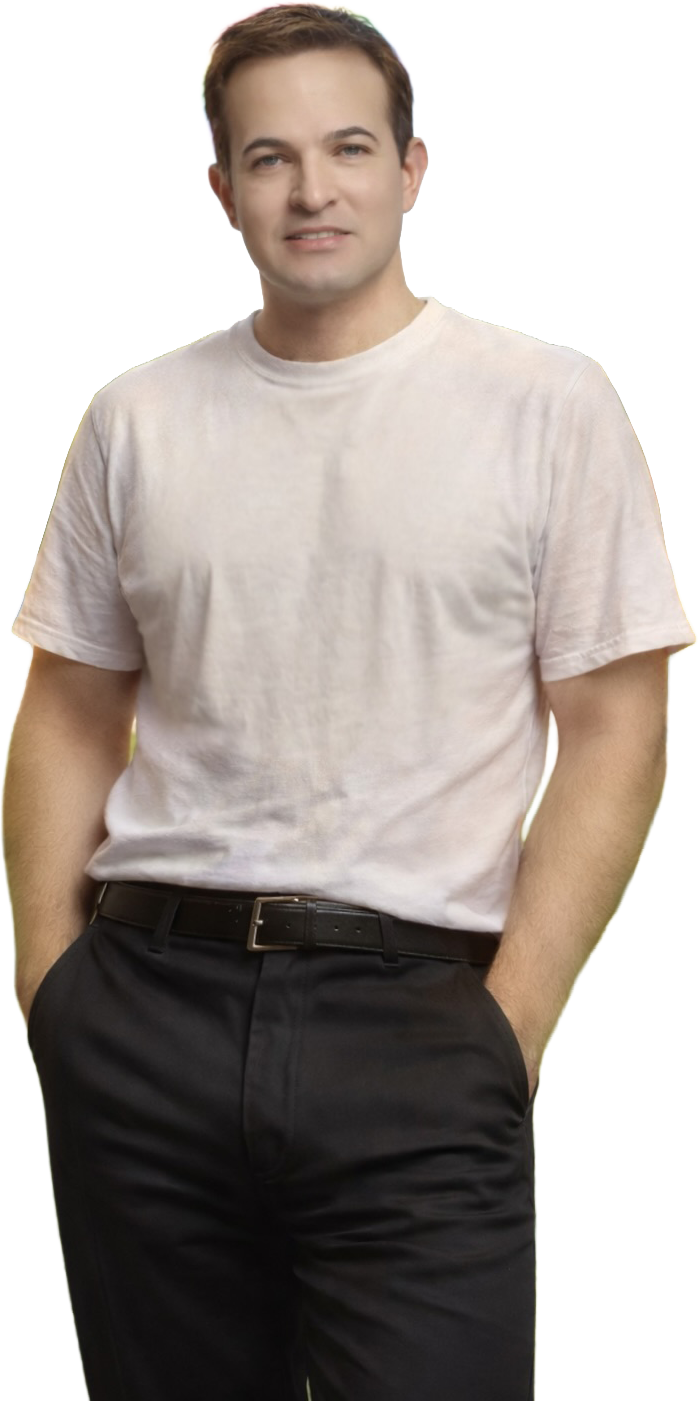
ABout John Paul Padilla
From his high school years through his early college days, John Paul Padilla found refuge in words. Writing poems, parodies, and song lyrics became his personal form of therapy—a safe space where he could process emotions, cope with pain, celebrate joy, and make sense of the world around him. Through writing, he laughed, cried, healed, and quietly connected with others, even during moments when he felt isolated or misunderstood.
Words were not just creative outlets for John Paul—they were survival tools. Writing allowed him to release stress, express vulnerability, and transform deeply personal experiences into something meaningful. Even then, his instinct was not only to heal himself, but to inspire and uplift others through honesty and emotion.
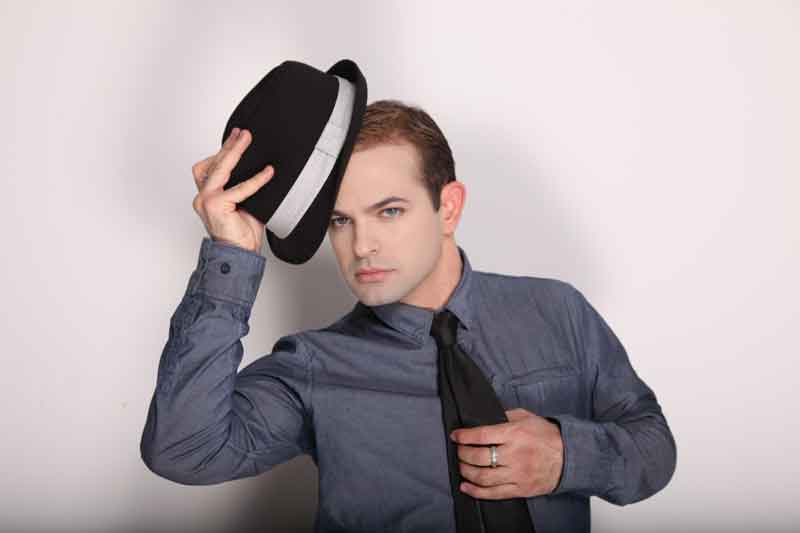
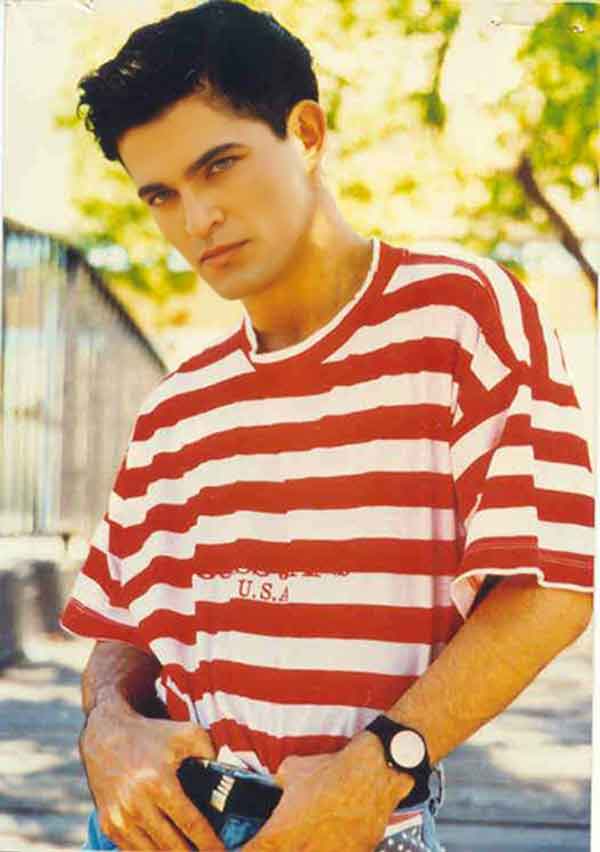
While taking modeling and self-development classes, John Paul explored fashion and creative expression, but it was during this time that he also noticed open poetry and lyric-writing contests advertised in magazines. Encouraged by college professors and friends, he decided to take a chance and submit his work—despite having written primarily as a hobby up to that point.
What followed was a period of persistence marked by rejection, growth, and determination. Over time, his poems were selected for publication in several national anthologies through organizations such as the National Library of Poetry and Watermark Press. In two instances, his work received Editor’s Choice Awards, and his poems were recorded with musical accompaniment for both cassette and CD releases—an early affirmation of his ability to write words meant to be heard, not just read.

Early Songwriting Experience
Although John Paul does not compose music instrumentally, he has always written lyrics with melody, emotion, and performance in mind. While country music was not his primary genre of interest, Nashville recording artists recognized the strength of his storytelling. His lyrics were recorded by artists including Keith Bradford, Tammy Ryan, Jimmy Smith, and notably Lulu Roman of Hee-Haw and the Grand Ole Opry, who recorded his song “God Is Here.”
Though these early collaborations did not bring significant financial rewards, they provided invaluable experience at a young age—teaching him discipline, lyrical structure, and the importance of emotional authenticity in songwriting.
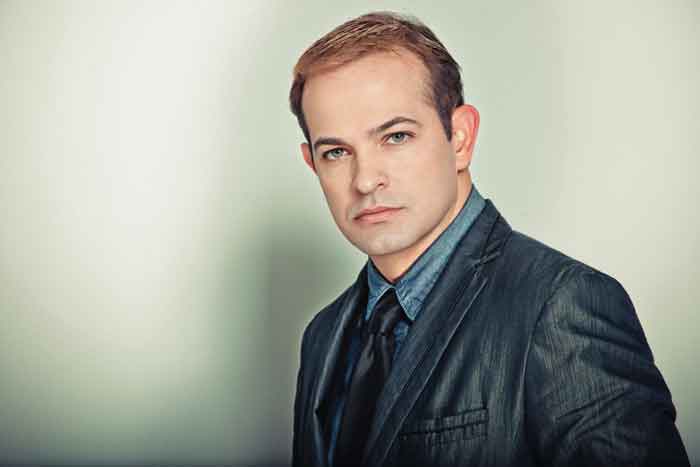
Literary Recognition and Setbacks
In June 2003, John Paul was named a Distinguished Member of the International Library of Poetry, and later that year released his first book, Wings to Cross an Ocean. The book is a collection of inspirational poetry and essays designed to encourage self-love, reflection, compassion, and personal growth.
Shortly after its release, however, his publisher unexpectedly filed for bankruptcy, leaving John Paul without distribution, promotion, or resources. Faced with discouragement and limited options, he temporarily stepped away from promoting the book—an experience that later shaped his resolve to fully own and control his creative work.
In 2007, his poem “Time for Myself” received another Editor’s Choice Award and was selected for inclusion in The Sound of Poetry, a CD compilation featuring standout poets from around the world.
Children’s Books and Advocacy
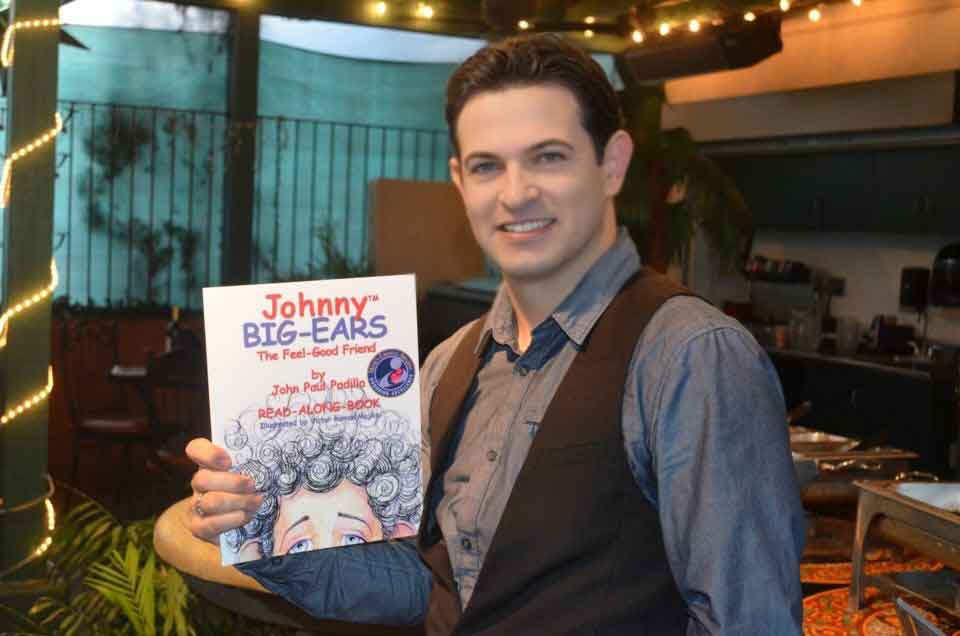
In August 2009, John Paul released his first children’s book, Johnny Big-Ears: The Feel-Good Friend, inspired directly by his childhood experiences of teasing and bullying. While working within school environments and witnessing the emotional toll bullying had on children, he felt compelled to create a story that could help young readers feel seen, understood, and empowered.
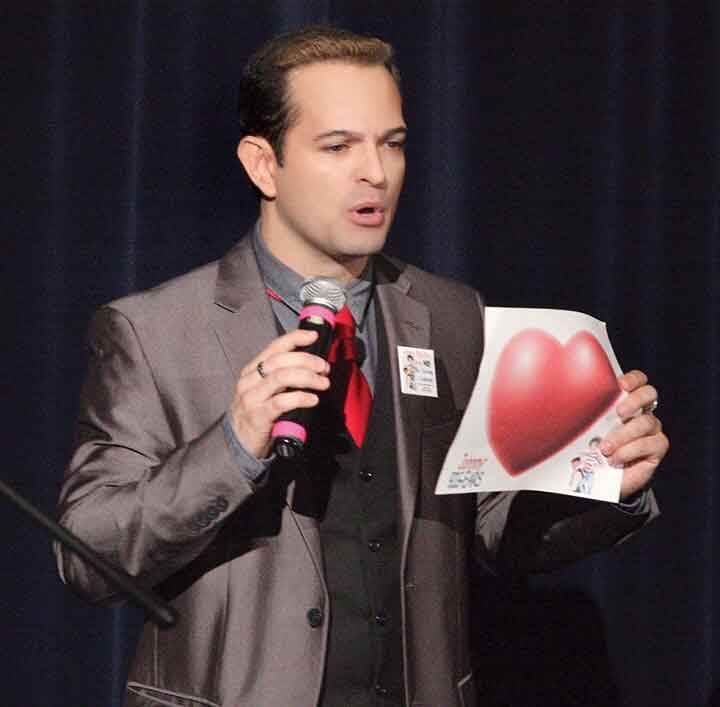
The book targets children ages 4–10 and focuses on kindness, empathy, and self-acceptance. John Paul began visiting schools, farmers markets, book fairs, community events, churches, and organizations serving children and adults with disabilities—often accompanied by his Johnny Big-Ears mascot—to spread a clear message: No to teasing and bullying. Yes to kindness and self-love.
In April 2012, he released his second children’s book, Johnny Big-Ears Meets His New Neighbor Suzy. That same year, both books became exclusively owned and officially self-published under his own creative brand and publishing company: Padilla Goldworks.
The Person Behind the Purpose
Though difficult to imagine now, John Paul spent much of his childhood and teenage years painfully shy and isolated. He was teased not only for his appearance, but also for his love of the arts and lack of interest in sports. He found belonging in choir, performance, and creative expression—often as one of the few boys willing to stand on stage and sing.
Writing became his companion during years when he felt like an outsider. It wasn’t until his early twenties, after being selected to attend confidence-building and modeling programs, that he began to step into his voice and embrace who he was without apology.
John Paul often says:
“They called me weird—and I owned it. To me, being ‘weird’ meant having the courage to be myself. Being normal is living someone else’s expectations and forgetting your own dreams.”
That belief continues to guide his work today.
The Ongoing Mission
Whether through books, music, or visual storytelling, John Paul’s mission remains clear: to give a voice to those who feel unheard, unseen, or unwanted—and to remind them that being different is not a flaw, but a strength.
Through Padilla Goldworks, he unites all of his creative expressions under one purpose-driven brand—turning lived experience into empowerment, and words into connection.
A Blast from the past
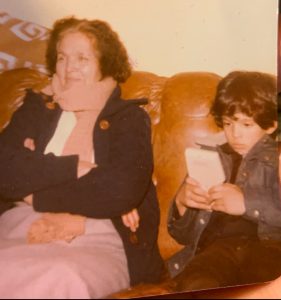
Pictured here on the left, John Paul sits beside his grandmother, immersed in a video game — a small but telling sign of a creative mind already drawn to technology and imagination. What began as childhood curiosity would later evolve into storytelling through song, music, and artistic expression.